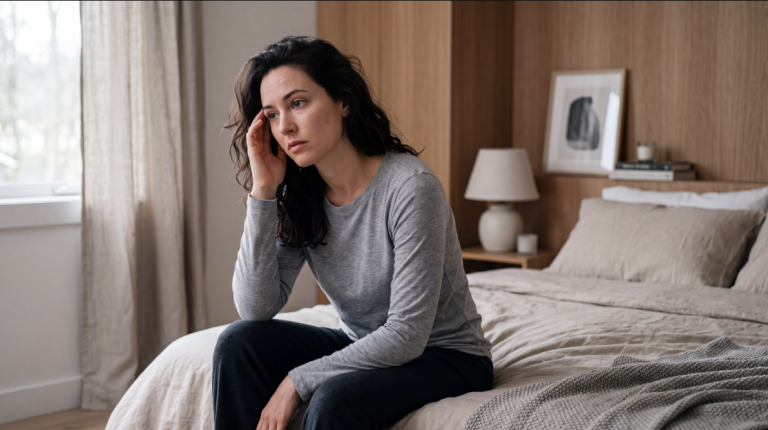
ADHD in Women: Why So Many Go Undiagnosed and What Can Help
Many women with ADHD spend years wondering why daily tasks feel so hard. Tasks that feel easy for other people can feel much harder for them. You may look organized and successful on the outside. You may struggle with constant overwhelm, forgetfulness, or trouble focusing underneath. Mood swings and feeling drained from trying to hold… Read more

Reviewed by Shamarukh Kabir
Psychiatric Physician Assistant at PsychPlus
August 20, 2026
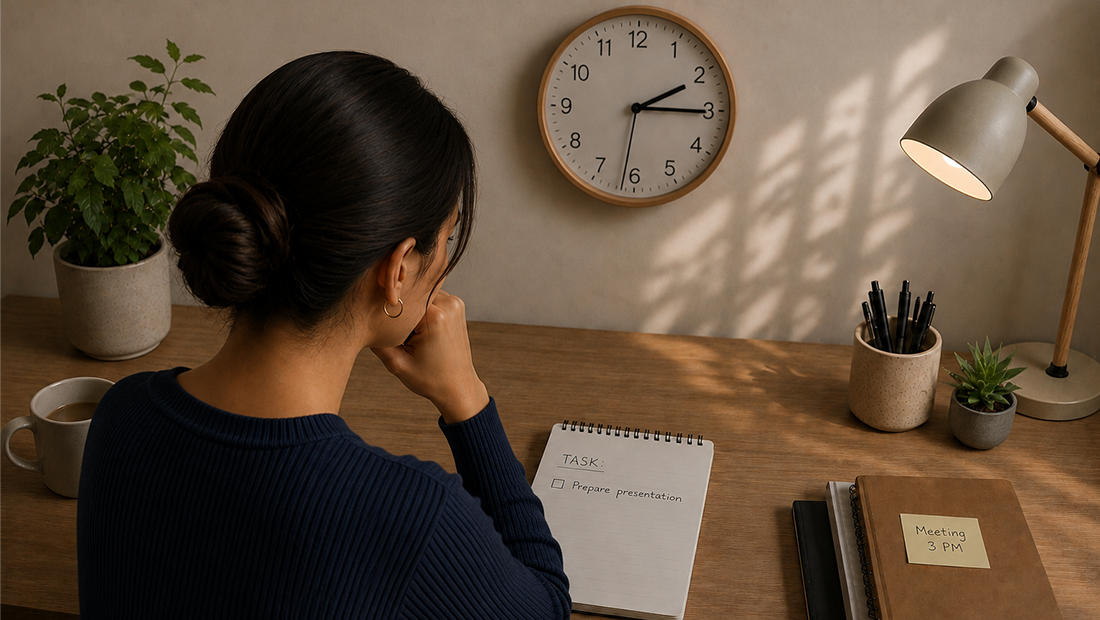
Many women with ADHD spend years wondering why daily tasks feel so hard. Tasks that feel easy for other people can feel much harder for them. You may look organized and successful on the outside. You may struggle with constant overwhelm, forgetfulness, or trouble focusing underneath. Mood swings and feeling drained from trying to hold everything together are common too. ADHD symptoms in women often look different from the common stereotype. Because of this, people often mistake them for stress, anxiety, depression, or simple disorganization.
Attention-deficit/hyperactivity disorder, or ADHD, is a brain-based condition. It affects attention, planning, impulse control, and emotions. If these struggles have affected your work, relationships, self-esteem, or daily life, you are not alone. There may be a clear explanation.
In this guide, you will learn why clinicians often miss ADHD in women. You will also learn how symptoms can differ between women and men. You will learn how providers diagnose ADHD and which treatments can help.
What Does ADHD Look Like in Women?
ADHD begins in childhood. Still, many women do not get a diagnosis until their teen years or adulthood. [1]
Clinicians recognize three types of ADHD: primarily inattentive type, primarily hyperactive-impulsive type or combined type. Women are more likely to have the inattentive type. These symptoms can seem less disruptive, but they still affect daily life in a big way.
Many women build coping habits to hide these struggles at work, school, or home. This is sometimes called masking. Masking can help for a while. It can also delay an ADHD diagnosis and add to stress, anxiety, burnout, or low self-esteem.
Healthcare professionals look past occasional forgetfulness or distraction when they diagnose ADHD. They check whether symptoms started in childhood. They also check whether symptoms show up in more than one setting and get in the way of work, school, relationships, or daily life.
What Are Common ADHD Symptoms in Women?
Inattentive Symptoms
Inattentive symptoms are the most common type of ADHD in women. Instead of visible hyperactivity, they show up as trouble with attention, organization, memory, and planning. Common inattentive symptoms include:
- Frequently losing keys, phones, or important documents.
- Forgetting appointments, deadlines, or parts of conversations.
- Trouble organizing, prioritizing, or finishing tasks.
- Getting distracted easily, even during important conversations.
- Missing details in emails, forms, or instructions.
- Procrastinating despite good intentions.
- Feeling overwhelmed by too many responsibilities or decisions.
- Losing track of time, sometimes called time blindness.
Hyperactive and Impulsive Symptoms
Hyperactivity in women does not always look like nonstop movement. Instead, it can feel like a mind that never slows down. Many women describe racing thoughts, restlessness, or a constant need to stay busy. Impulsive symptoms can be subtle too. Common signs include:
- Feeling restless, even when sitting still.
- Having racing thoughts that are hard to switch off.
- Talking over others or interrupting conversations.
- Making quick decisions without thinking them through.
- Spending money on impulse.
- Taking on too many responsibilities.
- Finding it hard to relax or enjoy quiet time.
Emotional Strain and Low Self-Esteem
Living with undiagnosed ADHD can wear on your emotional well-being. Many women spend years wondering why daily tasks feel harder for them than for others. Over time, this can lead to self-doubt and frustration. Common emotional challenges include:
- Feeling guilty about unfinished tasks.
- Becoming easily overwhelmed by daily responsibilities.
- Feeling anxious about forgetting things or missing deadlines.
- Feeling frustrated despite trying hard.
- Low self-confidence.
- Feeling emotionally drained from trying to stay organized.
Undiagnosed and untreated ADHD often causes these feelings. With the right diagnosis and support, many women find these challenges get much easier to manage.
Why Is ADHD in Women Often Missed?
Clinicians often miss ADHD in women. The symptoms do not always match the common stereotype of hyperactivity. Instead, many girls and women show quieter signs. These include forgetfulness, daydreaming, trouble staying organized, or feeling overwhelmed. People often mistake these signs for stress, anxiety, or personality traits instead of ADHD.
For many years, public awareness focused on boys who acted loud, restless, or disruptive in class. Teachers and parents rarely noticed ADHD in quiet girls. Girls who missed instructions or drifted off in thought often went unnoticed too.
Many women also build coping habits known as masking. They may rely on detailed to-do lists or show up early. They may work extra hours or push harder than others to stay organized. These habits can help for a while. They often hide ADHD symptoms and delay a diagnosis too. Over time, masking can add to stress, anxiety, burnout, and low self-esteem.
As responsibilities grow in adulthood, these coping habits get harder to keep up. Work, relationships, parenting, or running a household can make ADHD symptoms more noticeable. This often pushes many women to seek an evaluation for the first time.
Clinicians diagnose girls with ADHD less often in childhood. Many women do not get a diagnosis until adulthood. Research from the National Institute of Mental Health looked at this pattern. Many adults do not get an ADHD diagnosis until after age 18. This shows how easily clinicians can miss the condition in women.
How Can ADHD Affect Daily Life?
ADHD can shape far more than school or work. It can touch finances, household routines, parenting, and close relationships.
At work, a woman may bring strong ideas but struggle with follow-up and deadlines. She may finish projects through a stressful last-minute push. At home, bills, meals, and chores can pile up fast. This is not from a lack of care. It comes from trouble deciding where to start.
In a relationship, forgetting plans or losing track mid-conversation can hurt both partners. Clear communication and simple shared systems can help. Partners can respond to the pattern instead of placing blame.

Why Can Symptoms Become More Noticeable Later in Life?
ADHD symptoms do not suddenly appear later in life. Instead, they often become easier to notice as life gets busier and more demanding. Starting college, building a career, raising kids, or going through menopause can make it harder to stay organized, manage time, and keep up with daily tasks.
When people are younger, parents, teachers, and school routines often provide structure and support. That support fades in adulthood. Without it, problems with focus, memory, planning, and finishing tasks can become more obvious.
Hormone changes during pregnancy, perimenopause, and menopause can also affect focus, memory, and mood. These changes do not cause ADHD. They can make existing symptoms feel stronger.
If these challenges are making work, relationships, or daily life harder, talk to a healthcare professional. They can help you find answers and the right support.
Is It ADHD, Anxiety, or Something Else?
ADHD, anxiety, and depression can share some of the same symptoms. All three can make it hard to focus, stay organized, or feel calm. That is why a full evaluation matters more than trying to diagnose yourself.
| Condition | What It Looks Like | Key Clue |
| ADHD | Trouble focusing, forgetfulness, restlessness, or impulsivity. | Symptoms often start in childhood. |
| Anxiety | Constant worry, racing thoughts, or feeling tense. | Symptoms associated with fear or stress. |
| Depression | Low mood, low energy, and trouble concentrating. | Symptoms mainly affect mood and motivation. |
These conditions can also happen at the same time. Many women with ADHD also have anxiety or depression. A healthcare professional can review your symptoms, medical history, and daily life. This helps them find the right diagnosis and treatment.
How Is ADHD Diagnosed in Women?
A blood test, brain scan, or online quiz cannot diagnose ADHD. Instead, a qualified healthcare professional reviews your symptoms and childhood history. They also look at your daily life and any other conditions that could explain your symptoms.
| Area Reviewed | What It Covers |
| Childhood history | Old patterns matter, even if no one noticed them. |
| Current symptoms | Focus, memory, organization, or impulse control. |
| Daily impact | Trouble in more than one area of life. |
| Other causes | Anxiety, depression, trauma, poor sleep, or substance use. |
According to the American Psychiatric Association, strong grades or career success do not rule out ADHD. Many women reach these goals by working harder, following strict routines, or relying on extra support. A healthcare professional also looks at how much effort it takes to keep up that success.
What Treatments Can Help Women With ADHD?
Women can often manage ADHD with a plan built around their symptoms, health, and daily life. Treatment may include medication, therapy, practical skills, or a mix of these. [1,3]
Medication
Medication can ease core symptoms like poor focus and restlessness. Both stimulant and nonstimulant options are available. A PsychPlus psychiatry provider can explain the benefits and possible side effects. They can help you decide which option may fit you best.
Do not start, stop, or change ADHD medication without talking to your healthcare professional first. This matters most if you are pregnant, planning a pregnancy, or breastfeeding.
Therapy
Therapy can help you build practical skills for managing ADHD. One common approach is cognitive behavioral therapy, or CBT. It helps people manage time, stay organized, and finish tasks. It also helps people challenge negative thinking.
A therapist can also help you lower stress and improve relationships. They can help you build routines that make daily life easier.
Practical Support
Everyday tools cannot cure ADHD. They can make symptoms easier to manage. Many women find it helpful to try the following:
- Use one calendar for work, home, and health appointments.
- Set reminders before a deadline, not at the last moment.
- Break large projects into short, clear steps.
- Keep keys, chargers, and papers in set places.
- Work near another focused person, sometimes called body doubling.
Simple systems tend to last longer. A complex one can become one more task to manage.
What Should You Do if You Think You Have ADHD?
If you think you may have ADHD, start by noticing patterns instead of blaming yourself. Write down symptoms that happen often. Note how they affect your work, home, school, or relationships.
Before an appointment, gather examples from work, home, and relationships. Bring old school comments or family observations if you have them. Specific examples give a clinician much more to work with than broad self-criticism. For example, telling a clinician “I missed three deadlines because I could not begin the work” is more useful than saying “I am bad at my job.”
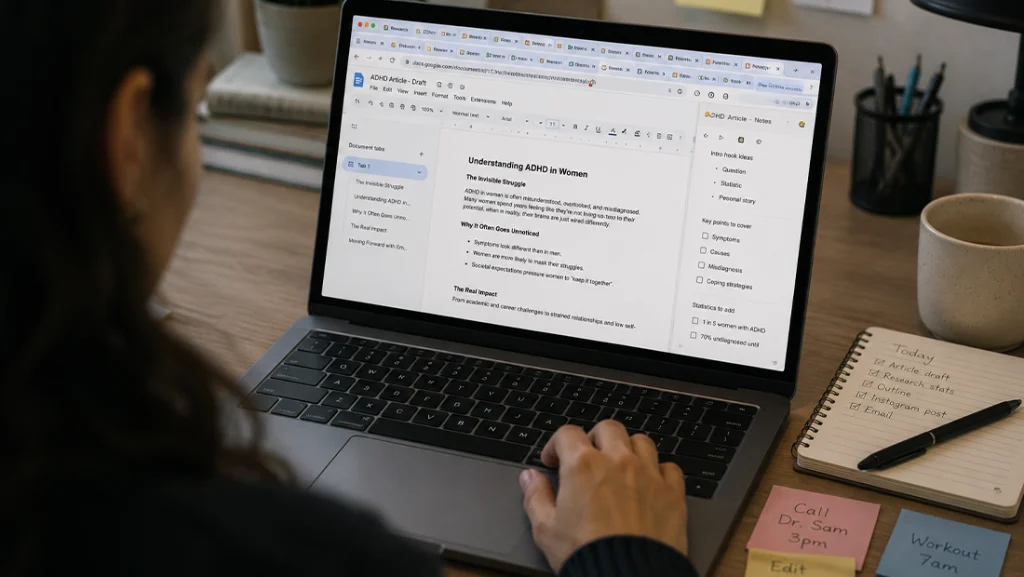
When Should You Seek Professional Help?
Consider speaking with a provider if this sounds familiar. Focus, planning, or impulsive choices may be hurting your work, health, or relationships. It may be time for a checkup if you often miss deadlines despite real effort. It may also be time if burnout and conflict keep showing up.
Support matters even more when these problems come with anxiety, depression, or deep shame. You do not need to wait until life feels unmanageable to ask for help.
Common Questions About ADHD in Women
Can Women Develop ADHD in Adulthood?
Not exactly. ADHD begins in childhood, but many women do not get a diagnosis until adulthood. People often miss early symptoms or mistake them for anxiety, stress, or personality traits. As life gets busier, those symptoms can become harder to ignore.
Can You Have ADHD Without Being Hyperactive?
Yes. Many women have the inattentive type of ADHD and are not visibly hyperactive. They may struggle with focus, memory, organization, and time management. They can still appear calm and capable to others.
Can Good Grades Rule Out ADHD?
No. Good grades or career success do not rule out ADHD. Many women succeed by working harder, following strict routines, or relying on extra support. A healthcare professional looks at how much effort it takes to manage daily life, not just your achievements.
Does Menopause Make ADHD Worse?
Menopause does not cause ADHD. Sleep changes, stress, and hormonal shifts can make focus and planning problems more noticeable. A clinician can review the full pattern and discuss treatment choices that fit your stage of life.
How Can PsychPlus Help Women With ADHD?
Seeking help for ADHD can feel overwhelming. This is especially true if you have spent years believing you just needed to try harder. You do not have to figure it out alone.
PsychPlus provides comprehensive ADHD evaluations, psychiatry, therapy, and ongoing medication management through licensed healthcare professionals. Our team can review your symptoms and answer your questions. We can build a treatment plan that fits your needs and goals.
Whether you prefer virtual or in-person care, we are here to help. We can help you understand your symptoms and find the right support. Book an appointment to get started.
Medical Disclaimer
This article is for education only. It does not replace medical advice, diagnosis, or treatment. Only a qualified healthcare or mental health professional can diagnose ADHD. They can recommend care based on your symptoms and history.
If you are in immediate emotional distress or thinking about self-harm, reach out for help right away. If you are worried about someone’s safety, reach out too. Call or text 988 in the United States. Call 911 in a life-threatening emergency.
Sources
National Institute of Mental Health. ADHD in Adults: 4 Things to Know.
Find a mental health care provider near you
Learn about the conditions we treat